
How to Streamline Payroll for Your Growing Business
Managing payroll efficiently is crucial for any growing business. As your company expands, payroll can become more complex and time-consuming. Streamlining payroll processes not only saves time but also reduces errors and ensures compliance with tax regulations. This guide will walk you through practical steps to simplify payroll management and keep your business running smoothly.
Why You Need to Streamline Payroll
Payroll is more than just paying employees. It involves calculating wages, withholding taxes, managing benefits, and filing reports. When done manually or with outdated systems, payroll can lead to costly mistakes and delays.
Key reasons to streamline payroll include:
Saving time: Automating repetitive tasks frees up valuable hours.
Reducing errors: Automated calculations minimize human mistakes.
Ensuring compliance: Staying up-to-date with tax laws avoids penalties.
Improving employee satisfaction: Timely and accurate payments boost morale.
For example, a small business owner who manually calculates payroll might spend several hours each pay period on this task. By streamlining payroll, they can reduce this to minutes, allowing more focus on core business activities.

Efficient payroll management reduces errors and saves time
Steps to Streamline Payroll for Your Business
Streamlining payroll involves adopting the right tools and processes. Here are actionable steps to help you get started:
1. Choose the Right Payroll Software
Investing in payroll software tailored to your business size and needs is essential. Look for features such as:
Automated tax calculations and filings
Direct deposit capabilities
Employee self-service portals
Integration with accounting software
Popular options include QuickBooks Payroll, Gusto, and ADP. These platforms reduce manual work and improve accuracy.
2. Automate Tax Filing and Payments
Tax compliance is one of the most challenging aspects of payroll. Automating tax filings ensures deadlines are met and reduces the risk of penalties. Many payroll software solutions offer automatic tax calculations and electronic filing.
3. Maintain Accurate Employee Records
Keep detailed and up-to-date records of employee information, including:
Social Security numbers
Tax withholding forms (W-4)
Pay rates and schedules
Benefits and deductions
Accurate records help prevent payroll errors and simplify audits.
4. Standardize Payroll Processes
Create clear payroll policies and procedures. This includes:
Defining pay periods and pay dates
Establishing overtime rules
Setting guidelines for time tracking and approvals
Standardization ensures consistency and transparency.
5. Train Your Payroll Team
Whether you have an in-house payroll specialist or outsource the function, ensure your team is well-trained. Regular training on payroll laws and software updates is vital.
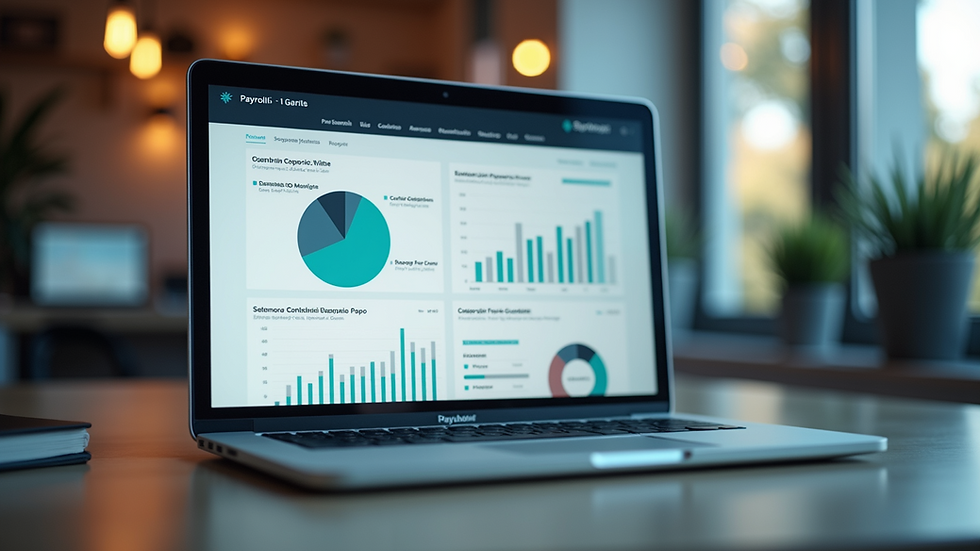
Using payroll software simplifies complex payroll tasks
Leveraging Payroll Management Services
For many growing businesses, outsourcing payroll to professional providers is a smart choice. Payroll management services can handle everything from wage calculations to tax filings, freeing you from administrative burdens.
By partnering with experts, you gain access to:
Up-to-date knowledge of tax regulations
Advanced payroll technology
Dedicated support for payroll issues
If you want to explore this option, consider trusted payroll management services that specialize in helping businesses like yours.
Best Practices for Payroll Accuracy and Compliance
To keep your payroll streamlined and compliant, follow these best practices:
Regularly review payroll reports: Check for discrepancies or unusual entries.
Conduct internal audits: Periodically verify payroll data and processes.
Stay informed on tax law changes: Subscribe to updates from the IRS and state tax agencies.
Use secure systems: Protect sensitive employee data with encryption and access controls.
Communicate with employees: Provide clear pay stubs and respond promptly to payroll inquiries.
Implementing these practices reduces risks and builds trust with your workforce.
Preparing for Future Payroll Growth
As your business continues to grow, your payroll needs will evolve. Plan ahead by:
Scaling your payroll system: Choose software that can handle more employees and complex pay structures.
Integrating with HR systems: Streamline hiring, onboarding, and benefits management.
Budgeting for payroll expenses: Forecast payroll costs including taxes and benefits.
Reviewing outsourcing options: Reassess whether in-house or outsourced payroll is best as your business changes.
Proactive planning ensures your payroll system supports growth without disruption.
Streamlining payroll is a vital step for any growing business. By adopting the right tools, standardizing processes, and considering professional payroll management services, you can save time, reduce errors, and stay compliant. This allows you to focus on what matters most - growing your business.


Comments